
Sugar and Spice- The Islands of the Grenadines
By Private Islands Magazine • Dec 24th, 2008 • Category: Lifestyles & Personalities
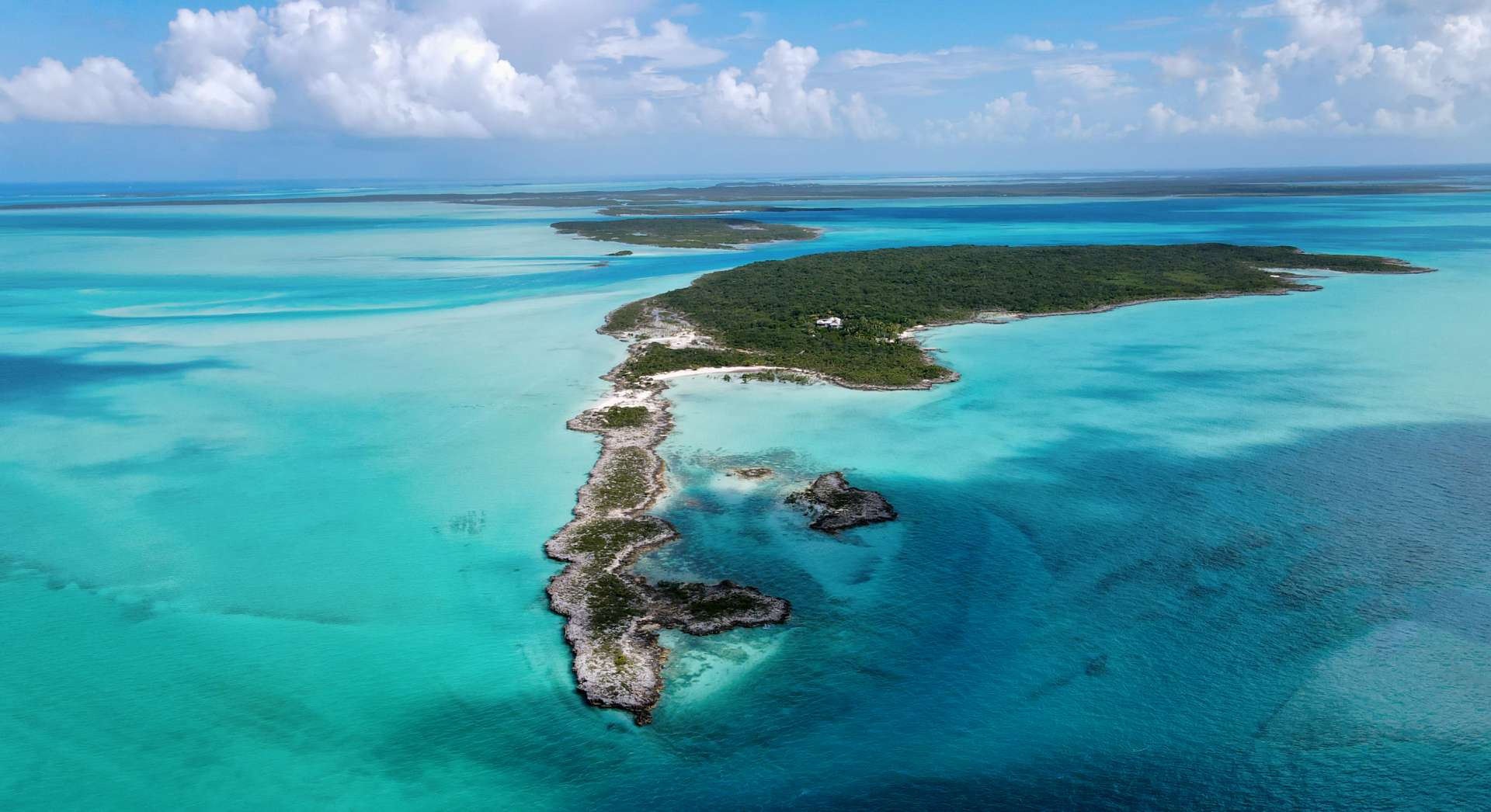
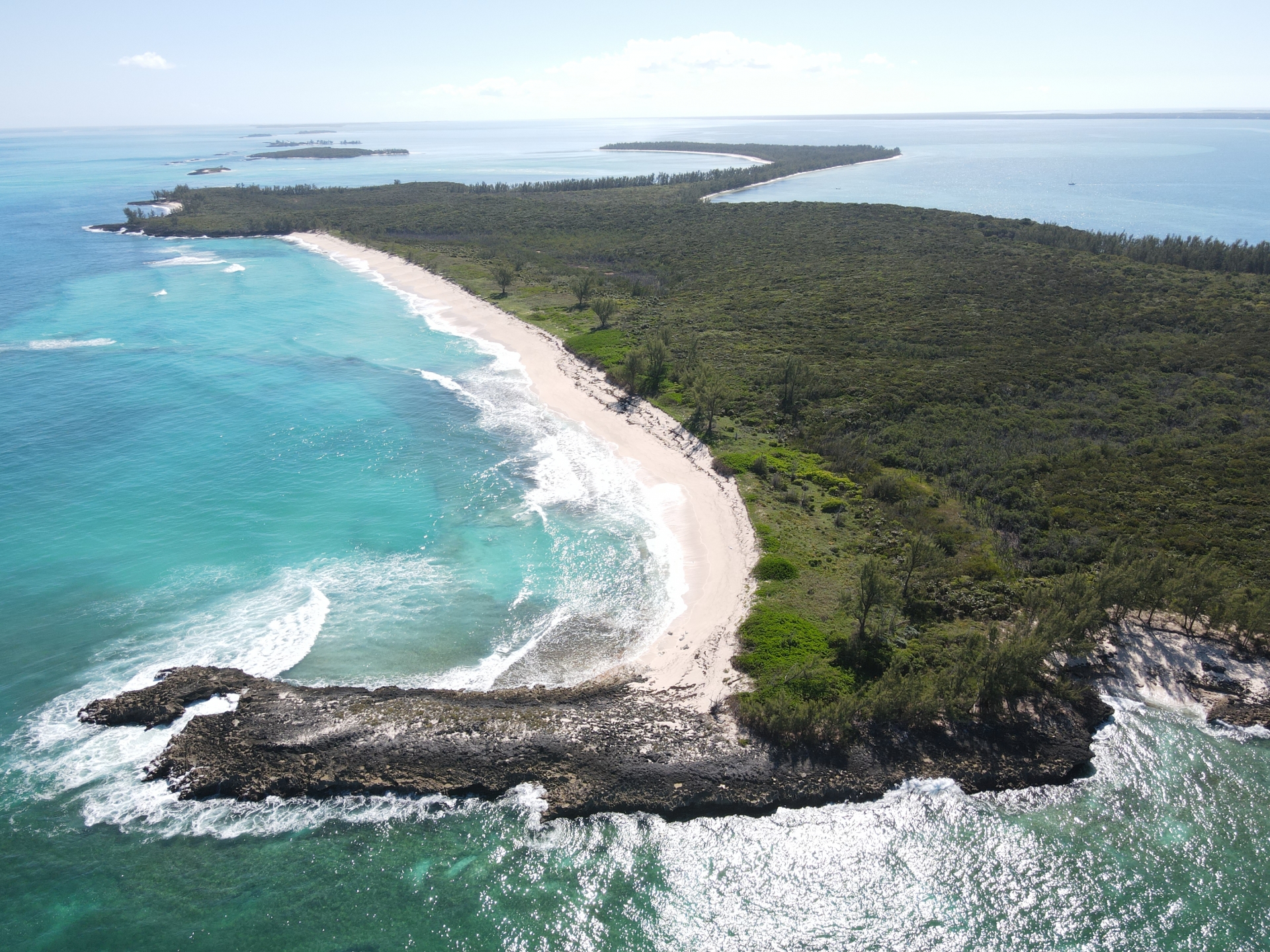
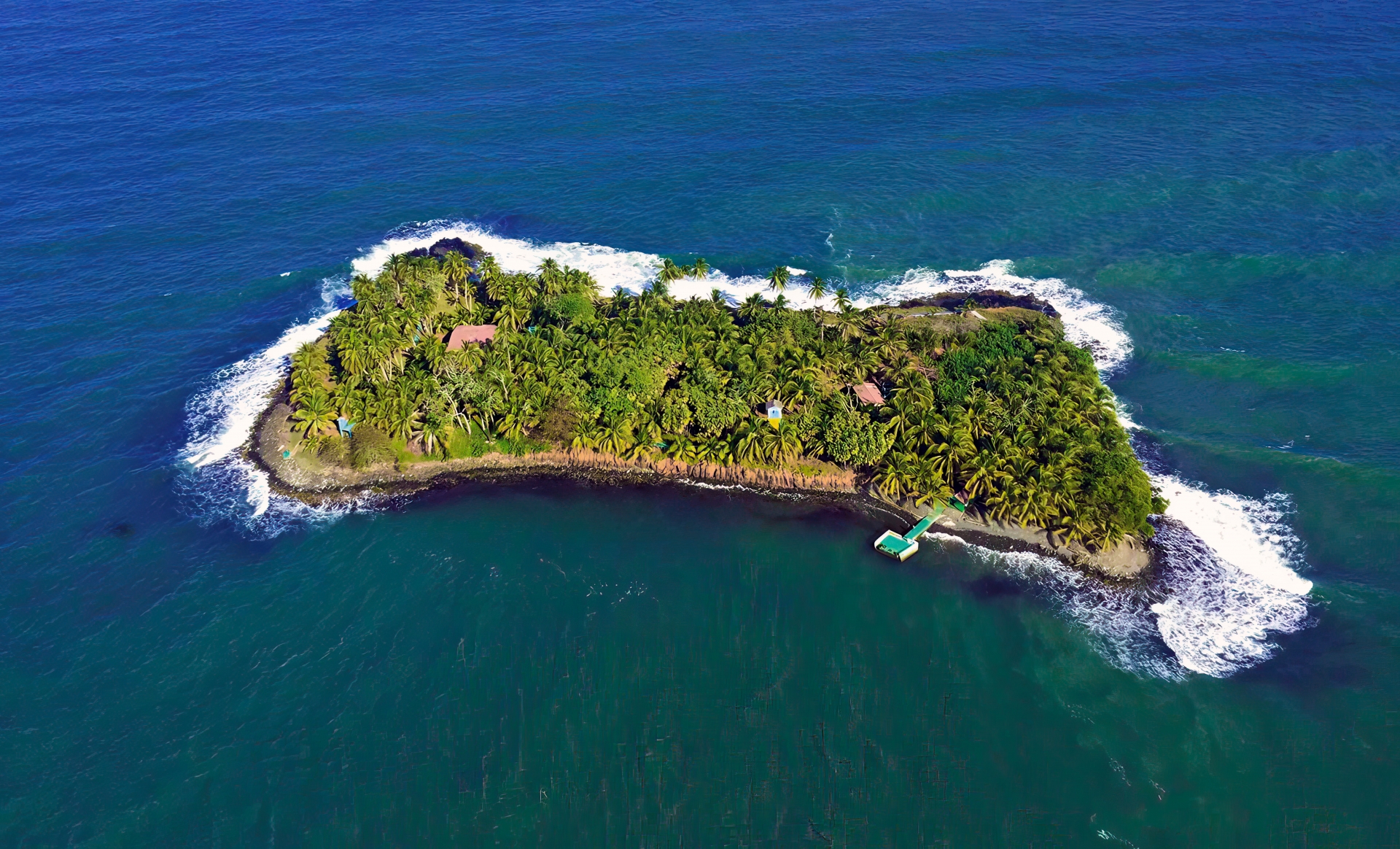
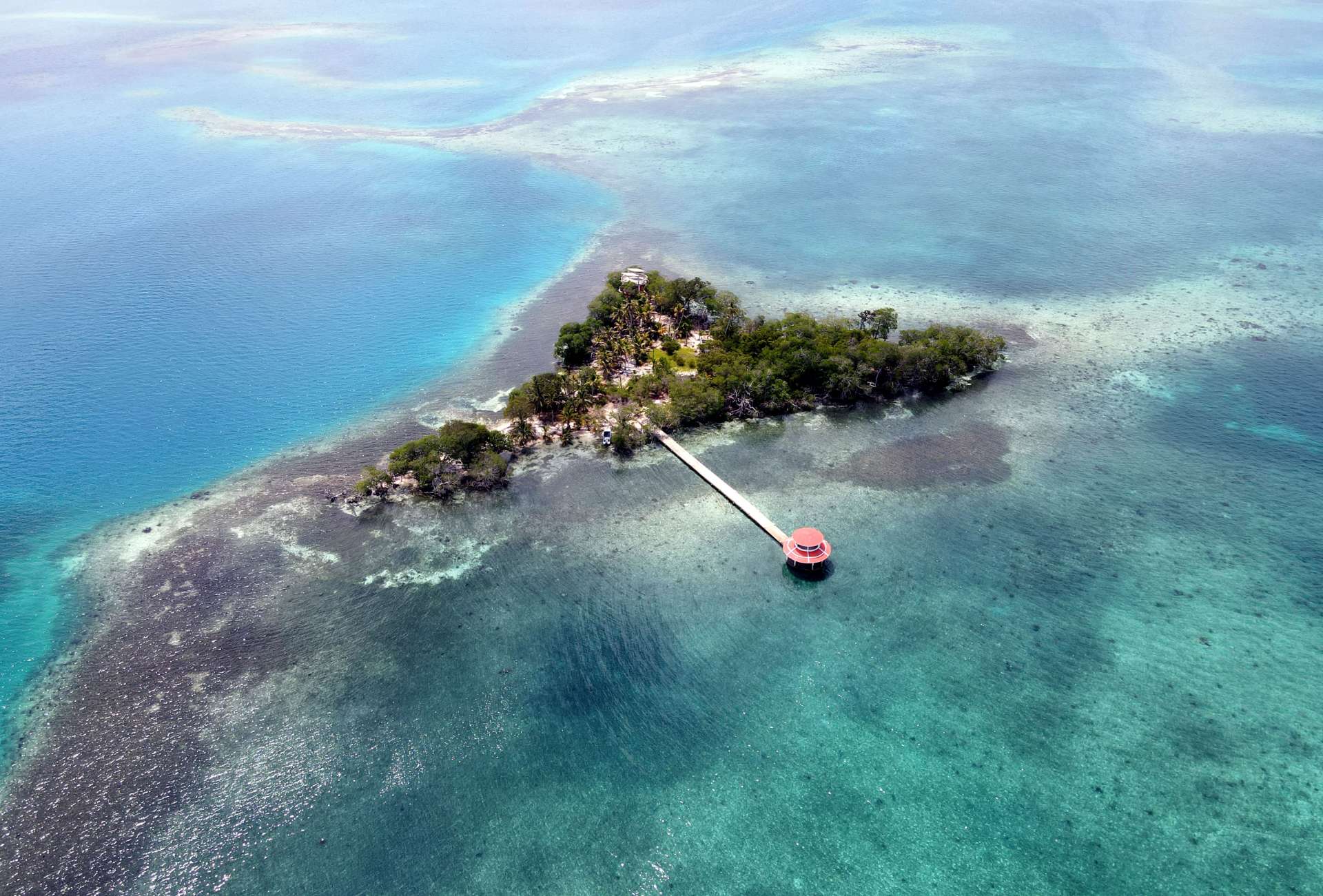
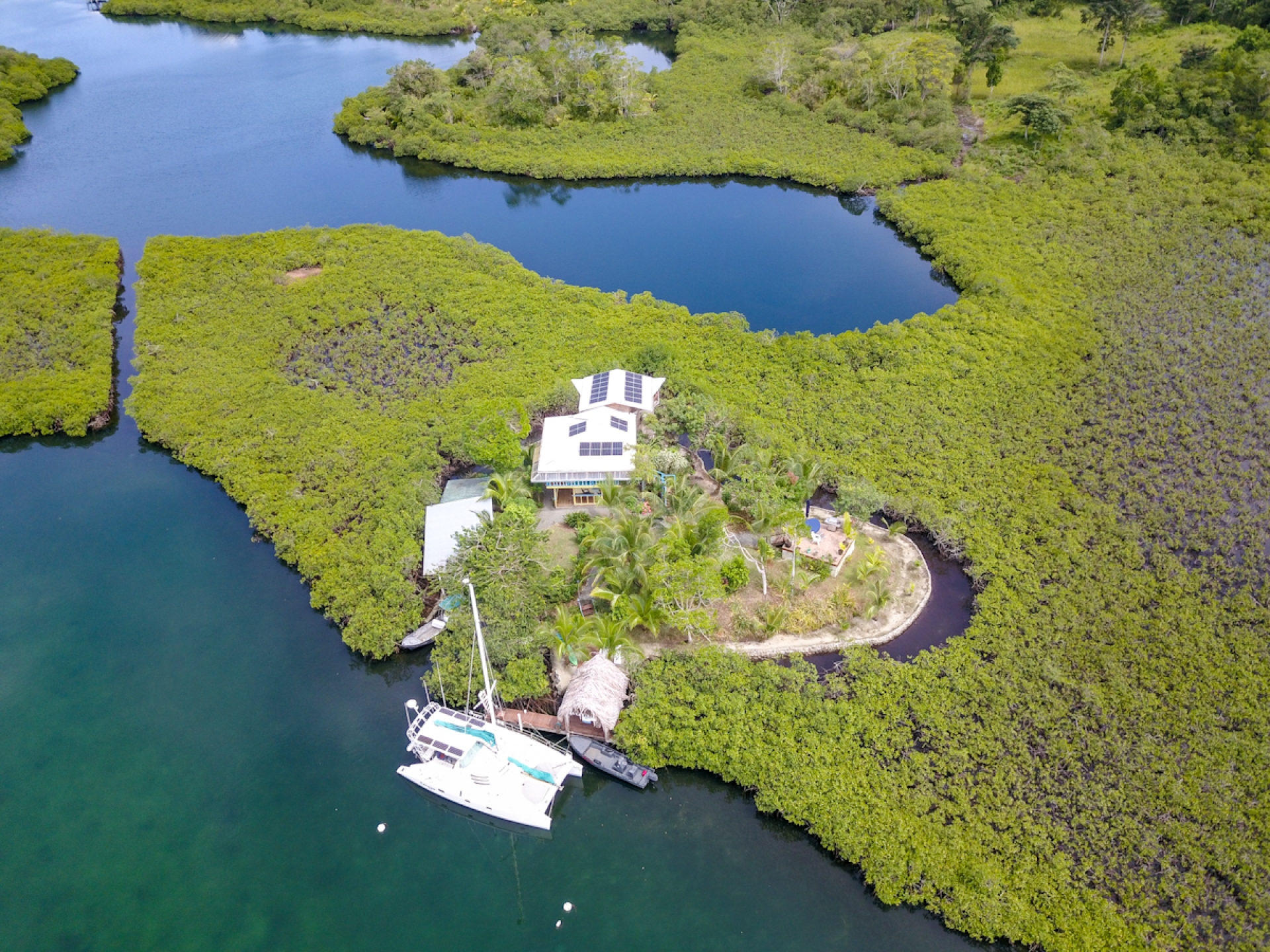
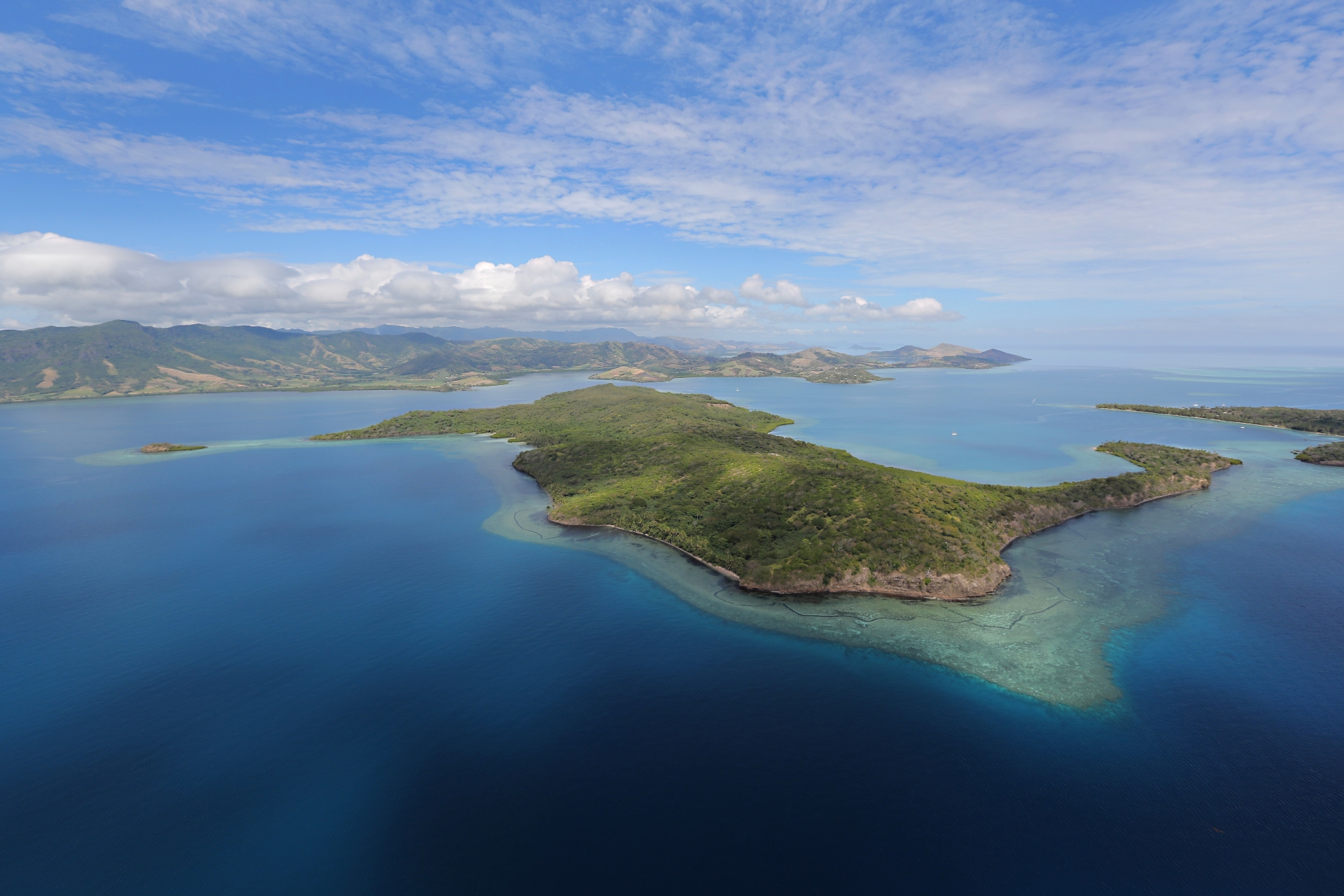
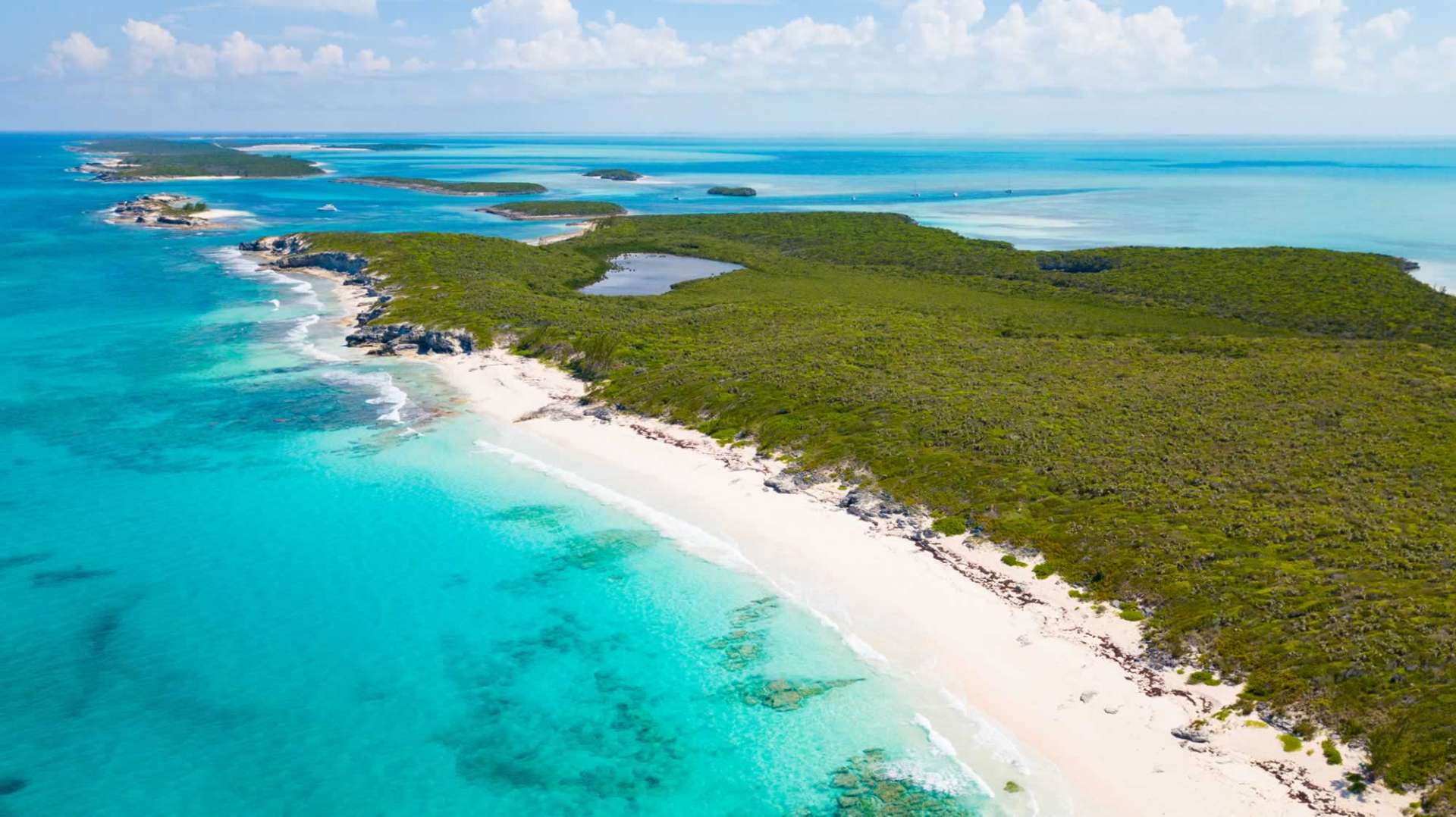
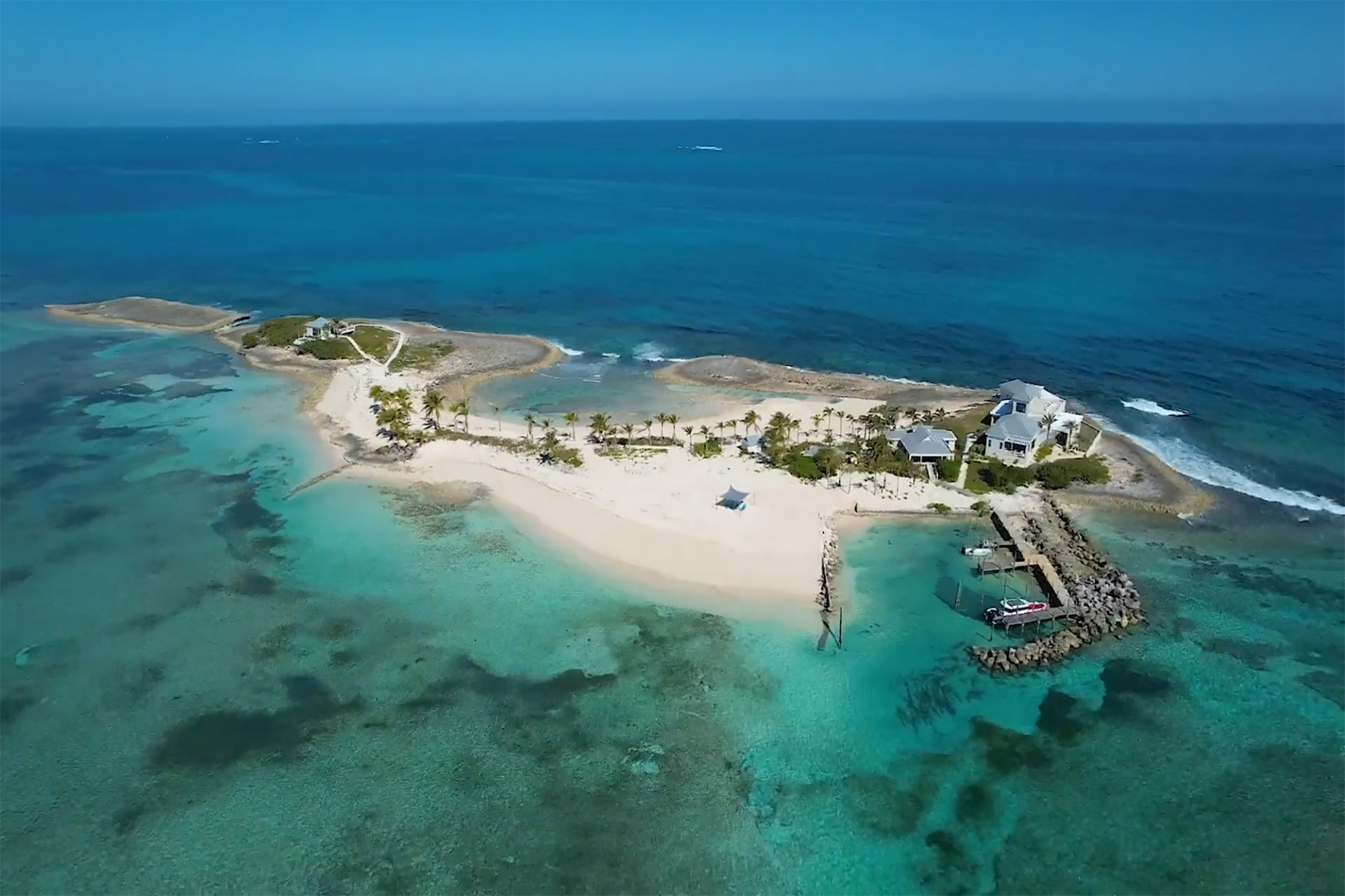
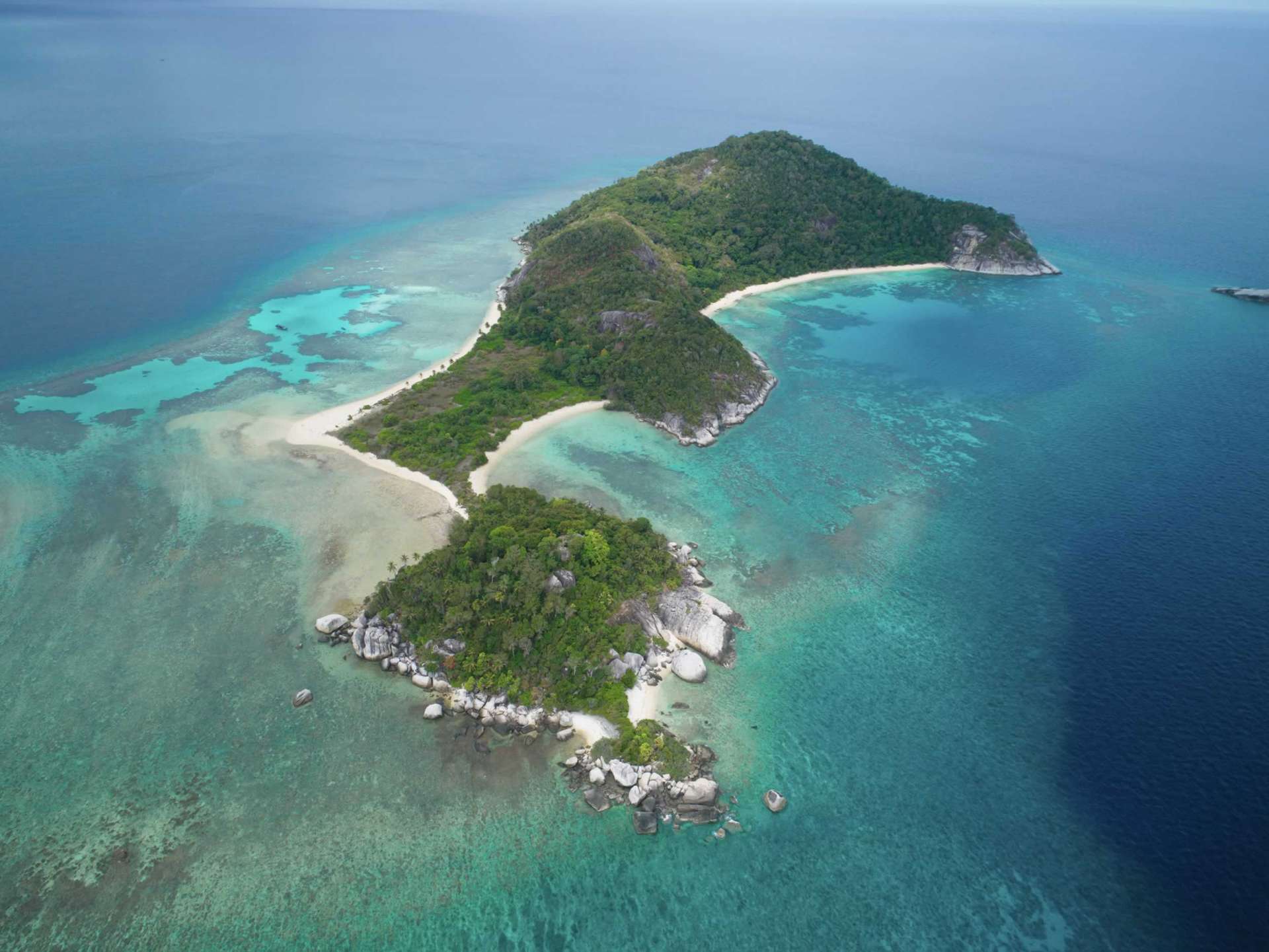
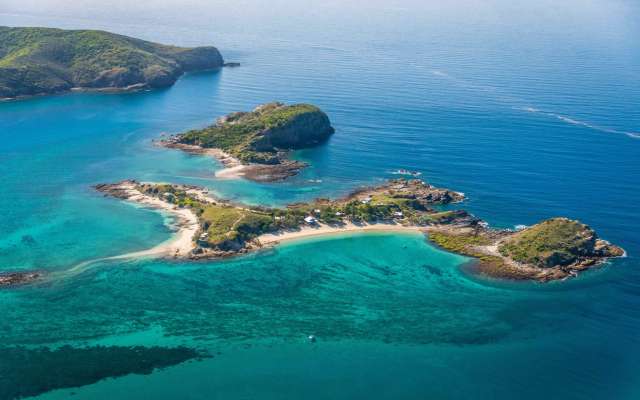
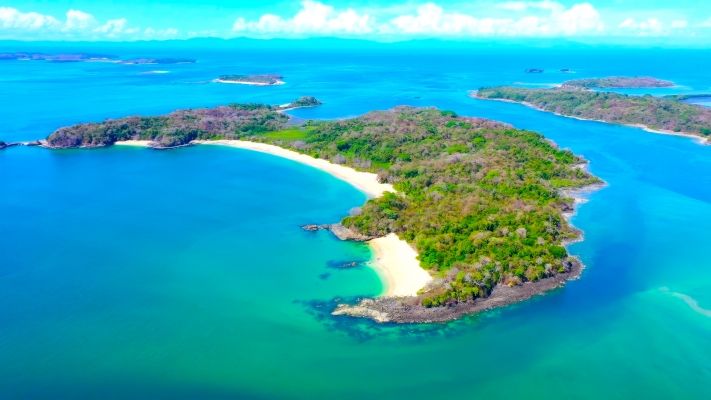
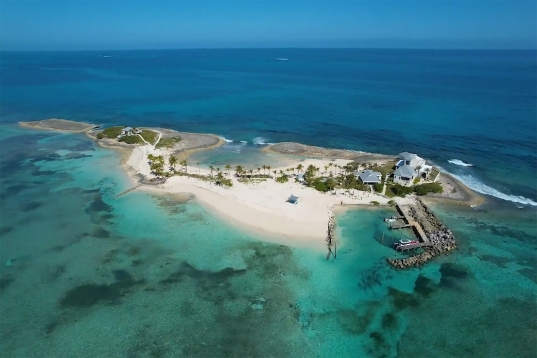
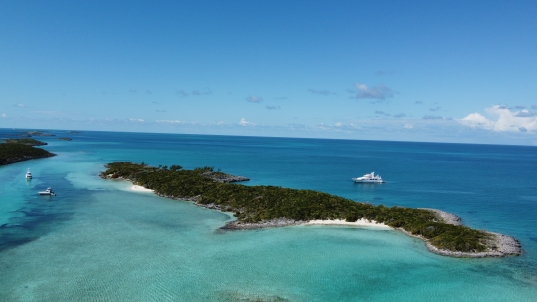
A set of small scattered islands, so linear in formation that early European explorers referred to them as “the birds”, the Grenadines are a diverse and beautiful part of the lesser-travelled Caribbean. Stretching across the sea in a long chain from the sleepy country of Grenada up to elegant St. Vincent, the Grenadines offer authentic island life without domination by the mega-hotels and large cruise ports that have become commonplace in many of the surrounding nations. From remote reefs and charming colonial villages to one of the most renowned celebrity holiday destinations, experiencing these unique isles inevitably leaves visitors with a new perspective of what the Caribbean has to offer.

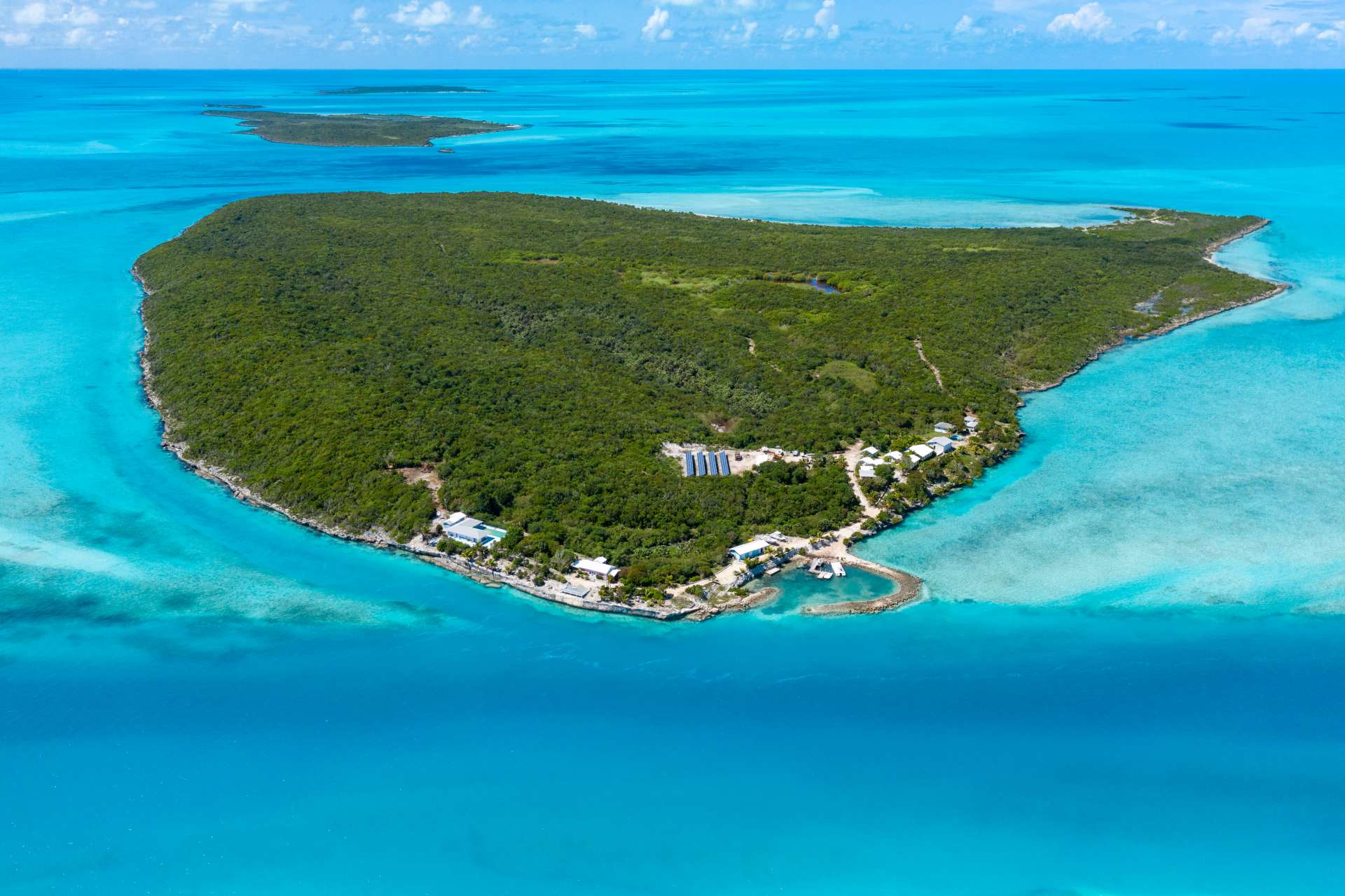
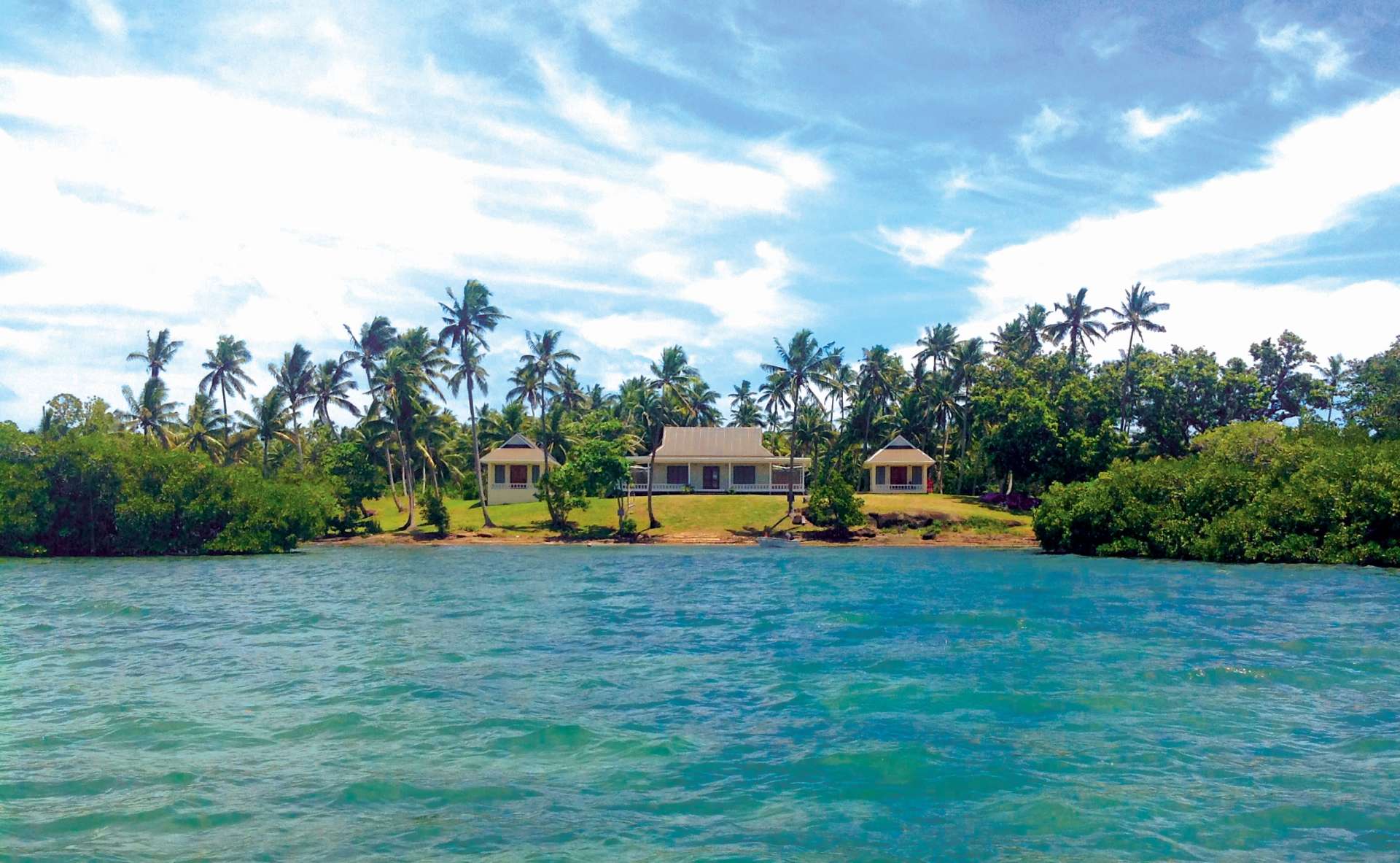
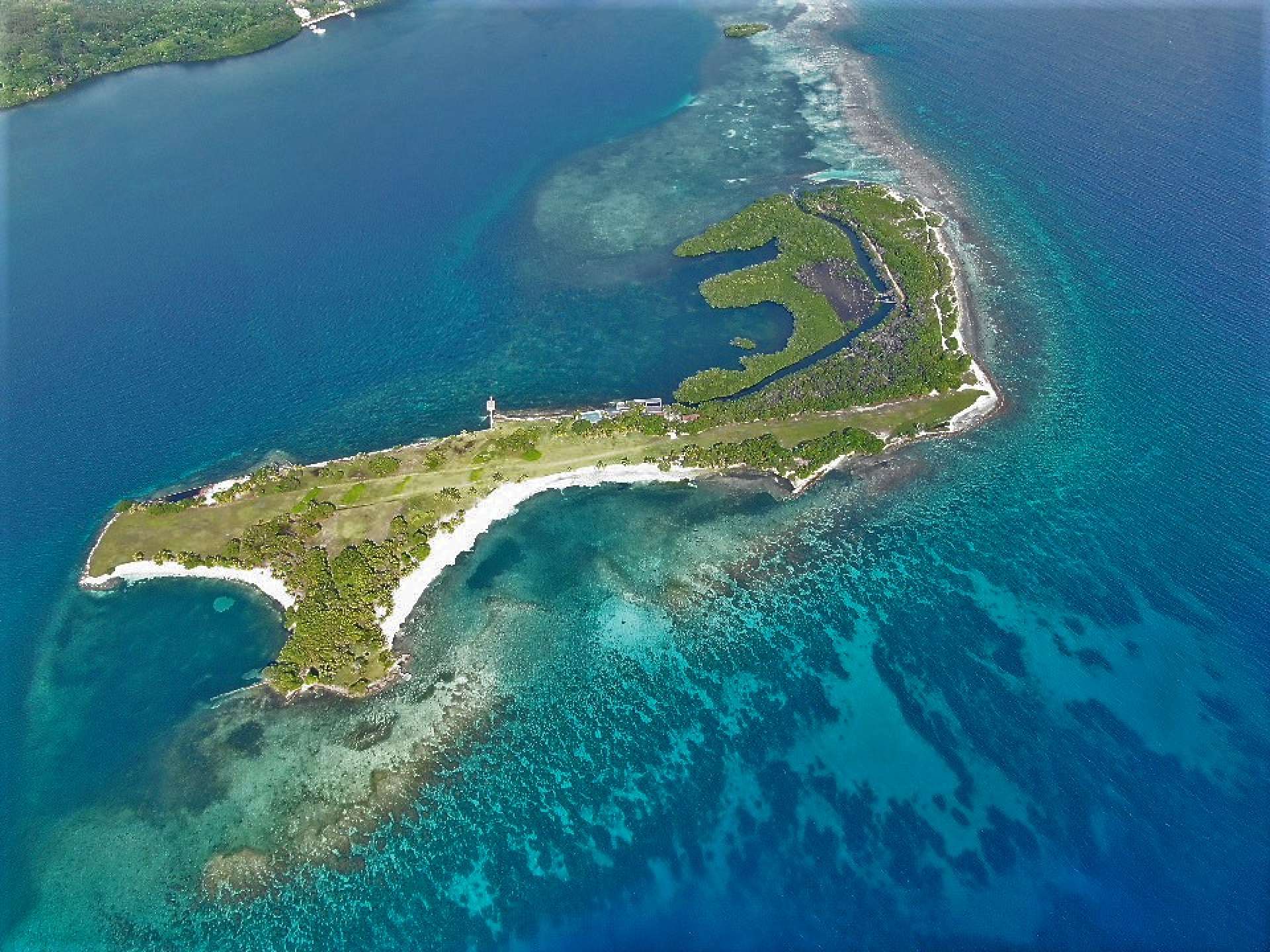
The southernmost point of the chain, the country of Grenada is known as The Spice Isle, from its long history as a source of cinnamon, ginger and nutmeg, first as a French and then British colony. The main port of St. George’s shows the influences of both cultures in its architecture, a picturesque little city built on the remnants of an expired volcano and wrapping around a stunning harbour. On the secluded south western side of the island is Grande Anse, a two-mile stretch of white sand and one of the most beloved beaches in the Caribbean, a prime tourist destination featuring numerous elegant fine dining restaurants. Grenada’s tourism is a thriving industry, and just off of the country’s coastline is one of the premier private islands on the world market with the potential for a truly first-class resort development. Also the largest island for sale in the entire Caribbean, Ile de Ronde (or Ronde Island) totals nearly 2000 acres and could easily encompass a large hotel, dozens of luxury villas and a marina complex. And found just 16 miles or so from Ronde is the breathtakingly beautiful, coral-ringed island of Carriacou. Also a part of Grenada, this tropical paradise is the largest inhabited island in the Grenadines and a yachting and diving Mecca.
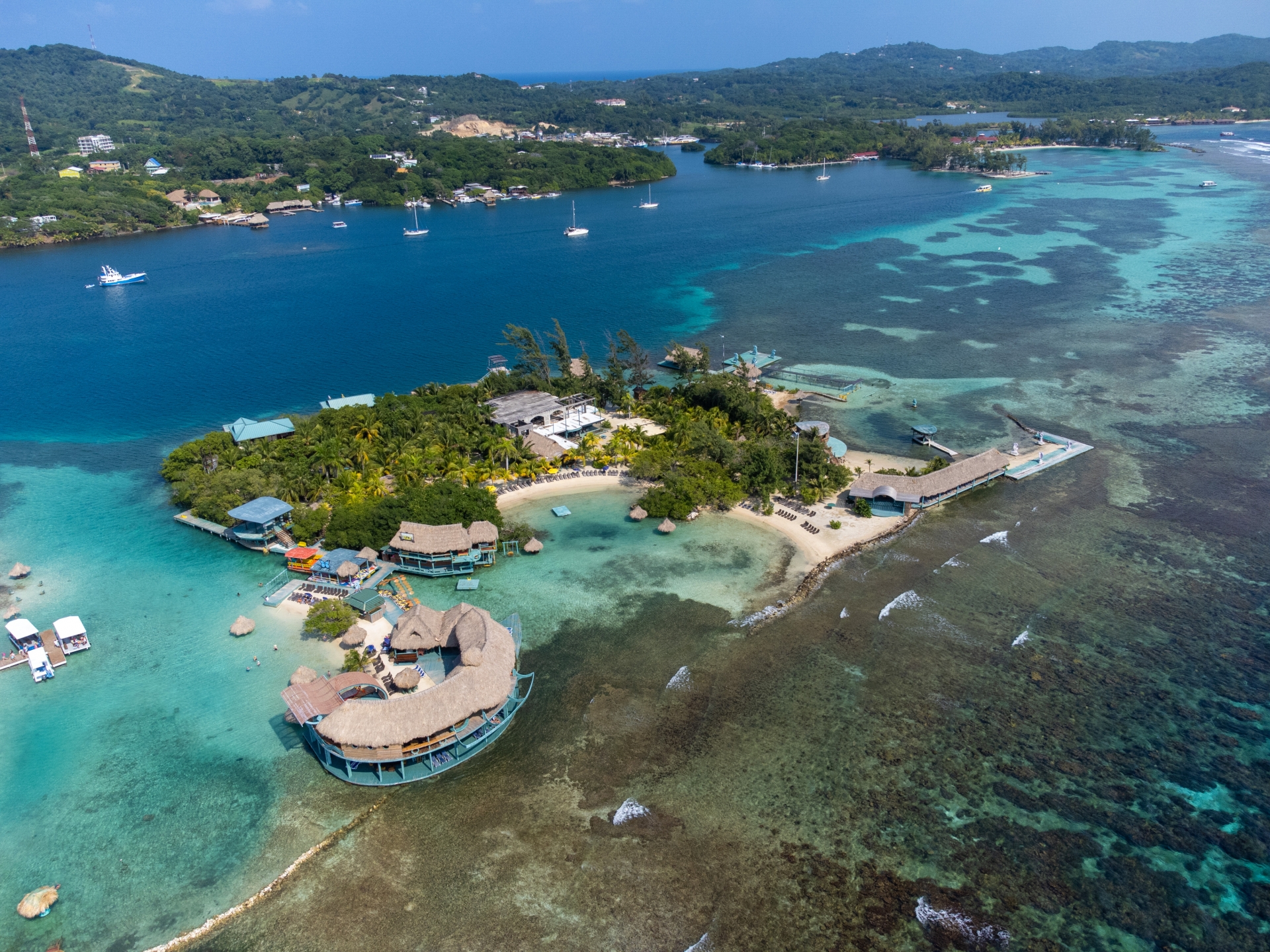
Onward from Ronde and a few other scattered islands around the Spice Isle, the chain falls under the jurisdiction of St. Vincent and the Grenadines. Many of the islands still lay undeveloped or within national parks. Few places could evoke the truly off-the-beaten-path feel of Caribbean seclusion more than the Tobago Cays, found centered in the Grenadines. A set of five islets tucked within the sprawling Horseshoe Reef, the Cays are widely known as the crown jewels of the region and as part of a wildlife reserve, have remained in a natural state with dazzlingly white beaches and clean, lush jungles. A prime location for diving and exploring one of the world’s most beautiful reef systems, the goverment permits no fishing, jet skiing or power boating to disturb the coral’s colourful wildlife.
And just northward up the Grenadines chain, the 1400 acres of Mustique have come a long way since the island’s days as a thriving plantation that was once a large supplier of cane sugar to the British Empire. Approximately 90 villas are hidden around the island’s forested grounds, and there are additionally just two small hotels and one charmingly rustic nightspot, Basil’s Bar. Made famous by Princess Margaret in the 1960’s, the island is favourite vacation spot for royalty, entertainers and heads of state, and known as one of the rare places where those in the public eye can experience complete privacy and relaxation, but in a fun and social atmosphere. Recent guests to the island have been as diverse as Amy Winehouse, Prince William and Mick Jagger. Visitors connect from St. Vincent, the country’s main island and home to an international airport.
The northernmost point of the Grenadines, St. Vincent has its own storied history as one of the sweetest spots in the Caribbean. The locus of the British Empire’s massive sugar growing campaign in the West Indies, until the late 19th century the island was covered with plantations that provided the cane sugar for millions of tables in Europe. Fruit groves are still found across the fertile island, and it’s also home to the oldest botanical garden in the Western hemisphere. Located just outside of the city of Kingston, the gardens were founded in 1765, and host rare species of palms, lilies, hibiscus and bougainvillea, and the 60ft Falls of Baleine, one of St. Vincent’s true natural wonders.
Grenada and St. Vincent and the Grenadines share many commonalities, from their mutual histories as colonial possessions to their rapidly emerging places in the regional tourism market. Both countries also cater to visitors who are searching for a sense of authenticity, and offer glimpses into the real Caribbean- not just a shopping trip around a tourist area during a cruise or a week at a micro-managed chain resort, but a vivid portrait of the region’s peoples, cultures and industries. Even on the ultimately exclusive resort of Mustique, each night at Basil’s Bar you’ll find stars and royalty sharing drinks and laughs with local Vincentians, and it’s this kind of genuineness and intimacy that keeps the Grenadines such a special corner of the Caribbean.
- Buying Private Islands in Exotic Thailand
- Island Shopping in Panama
- Creating a Private Island Paradise
- How the Private Island Business Began
- The World’s Best Job – Private Island Caretaker
- Do You Have what it Takes to Own a Private Island?
- Live the Dream With Your Own Tropical Island Resort
- Teenager Inherits Island With Buried Treasure
- Growing Up in Paradise- An Interview with Teva Victor
- Singer Castle- A Lost Palace Rediscovered