
Chumbe Island: Tanzania’s Stunning Coral Park Reserve
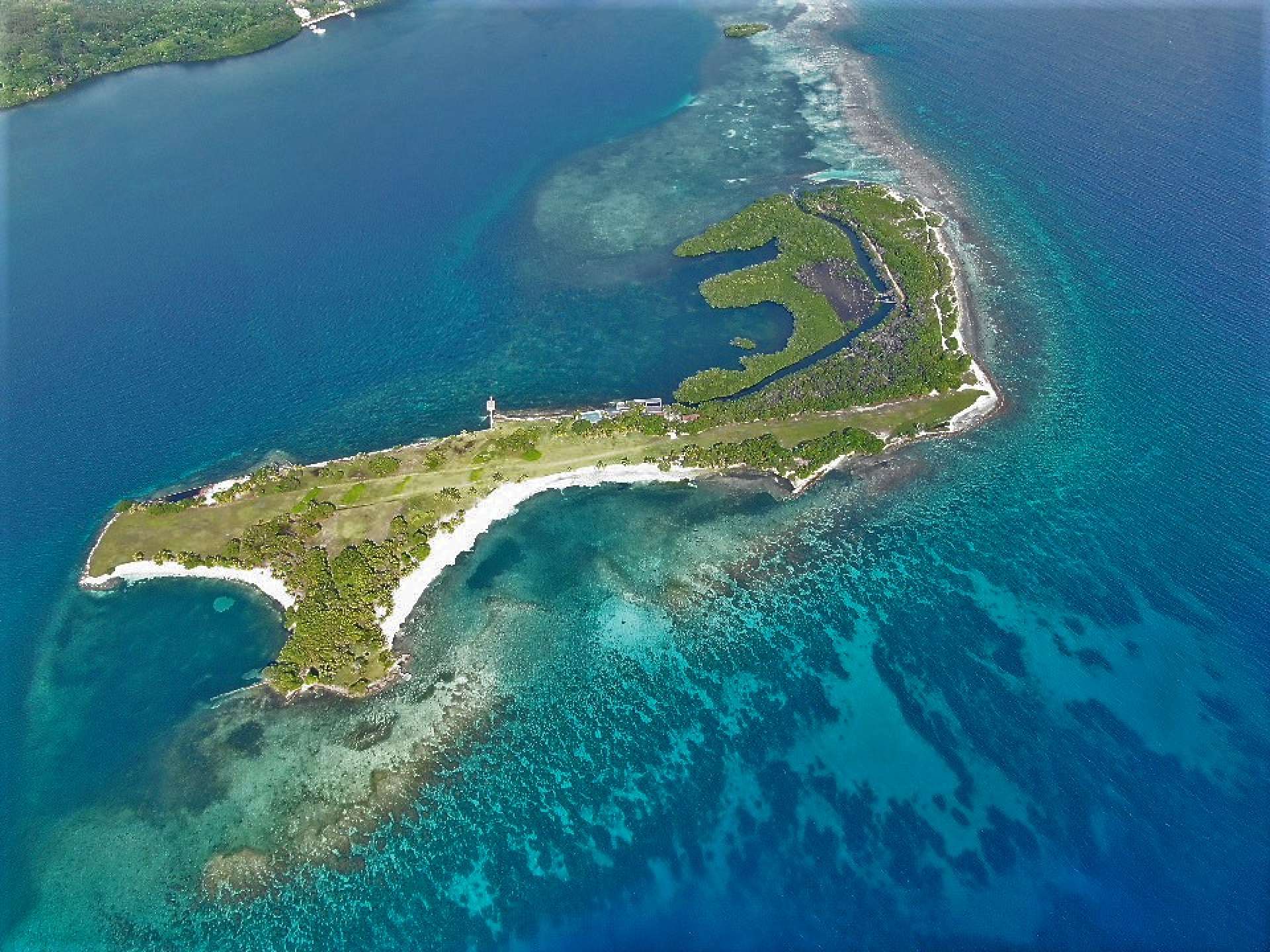
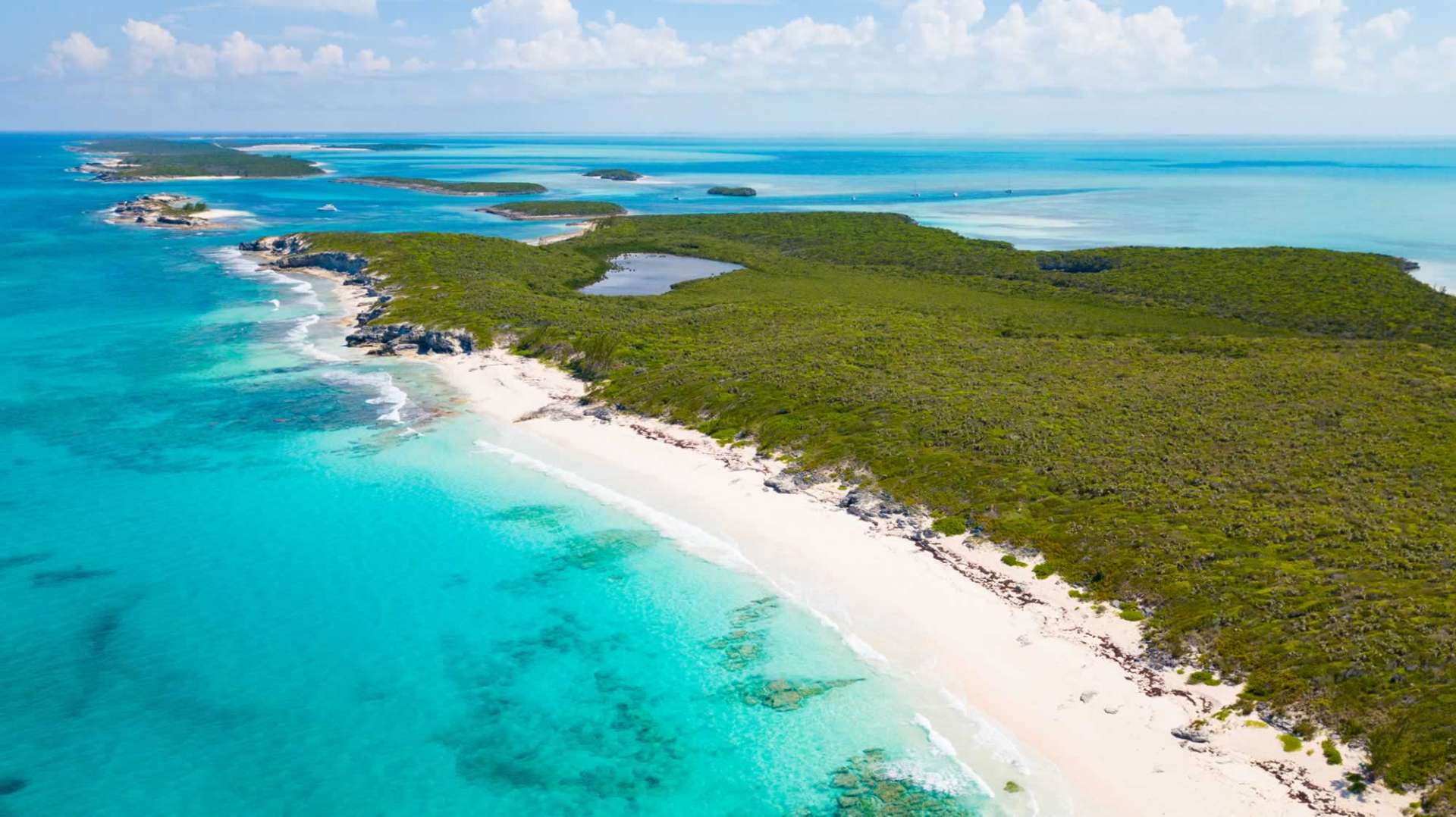
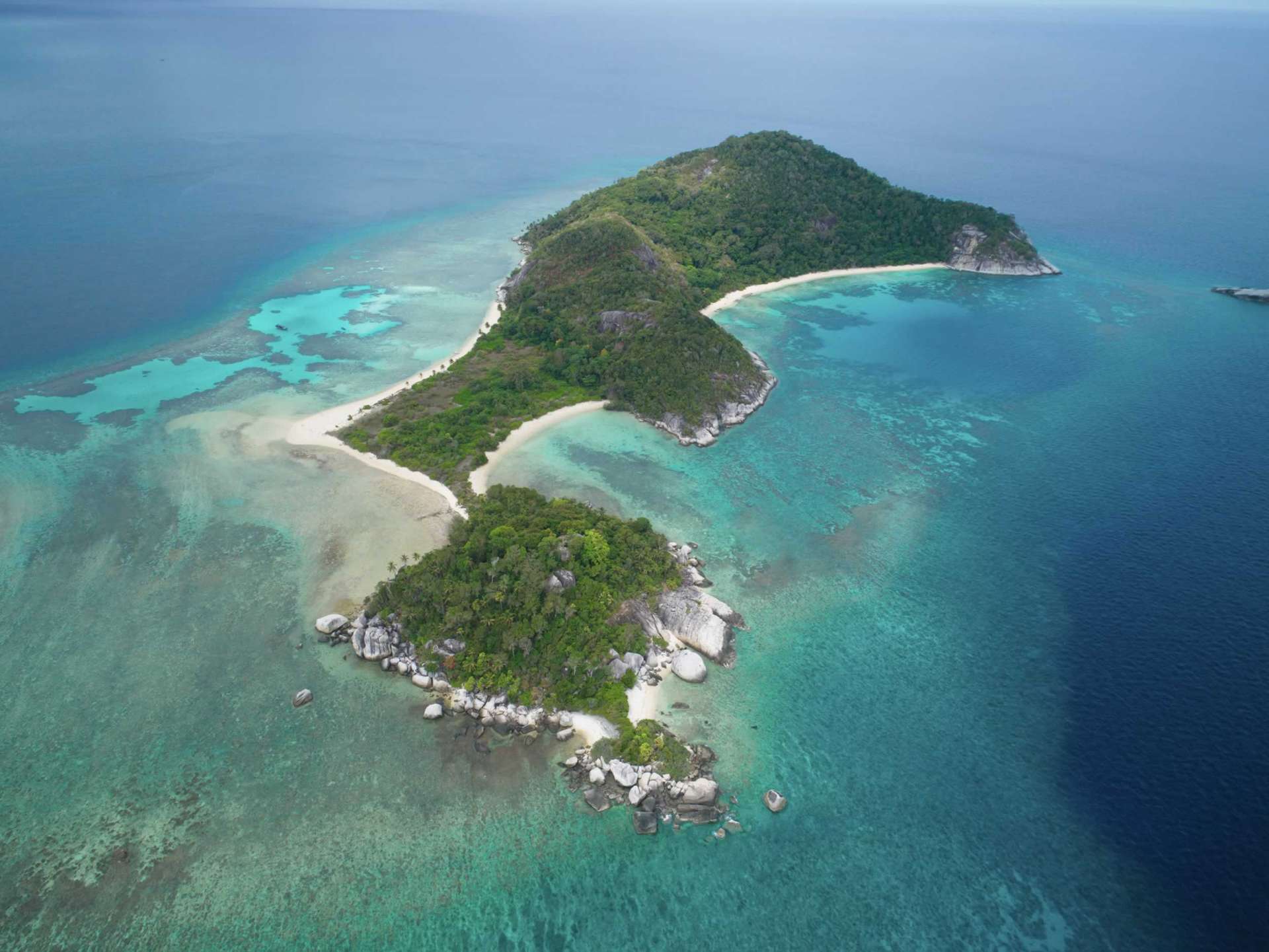
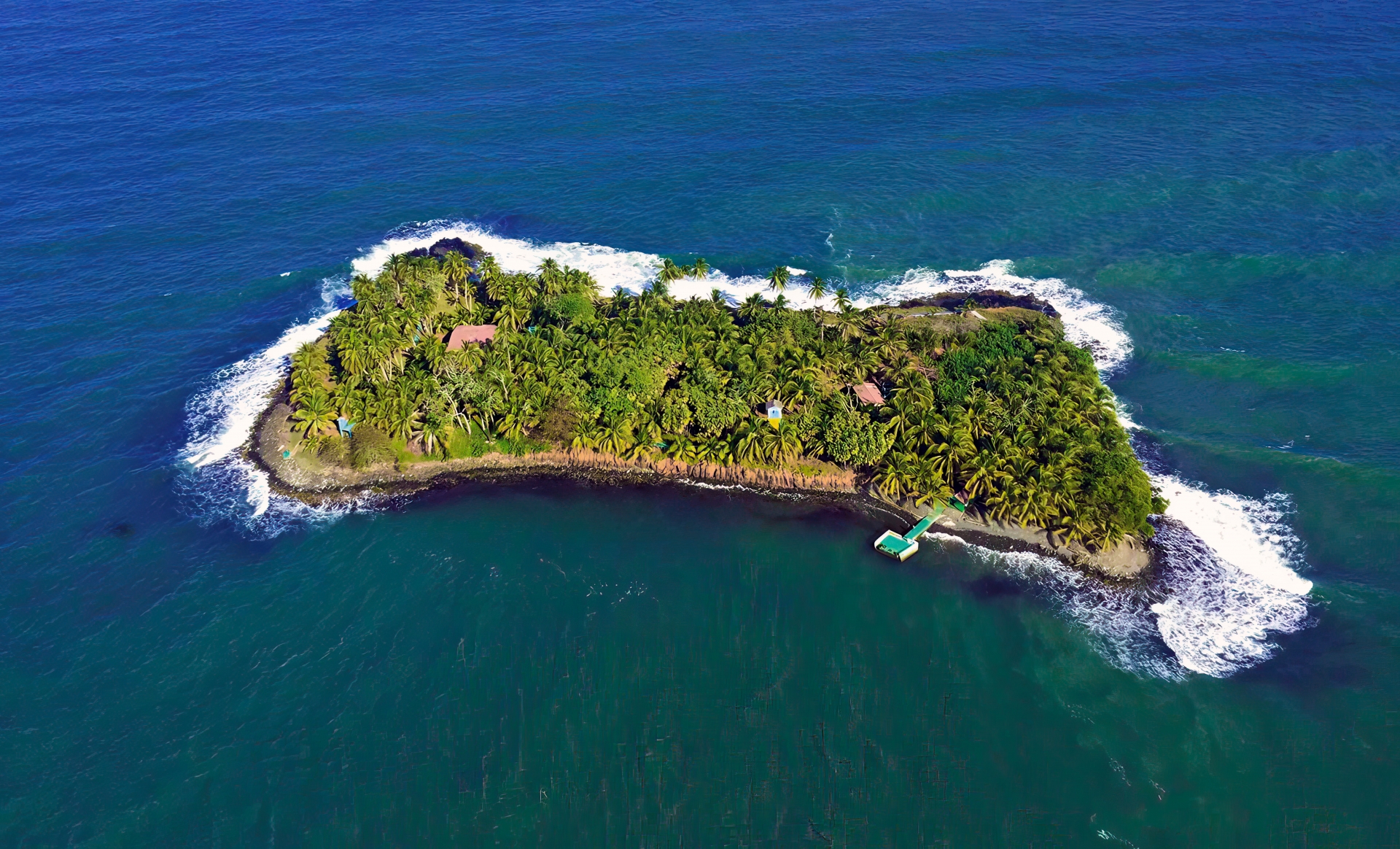
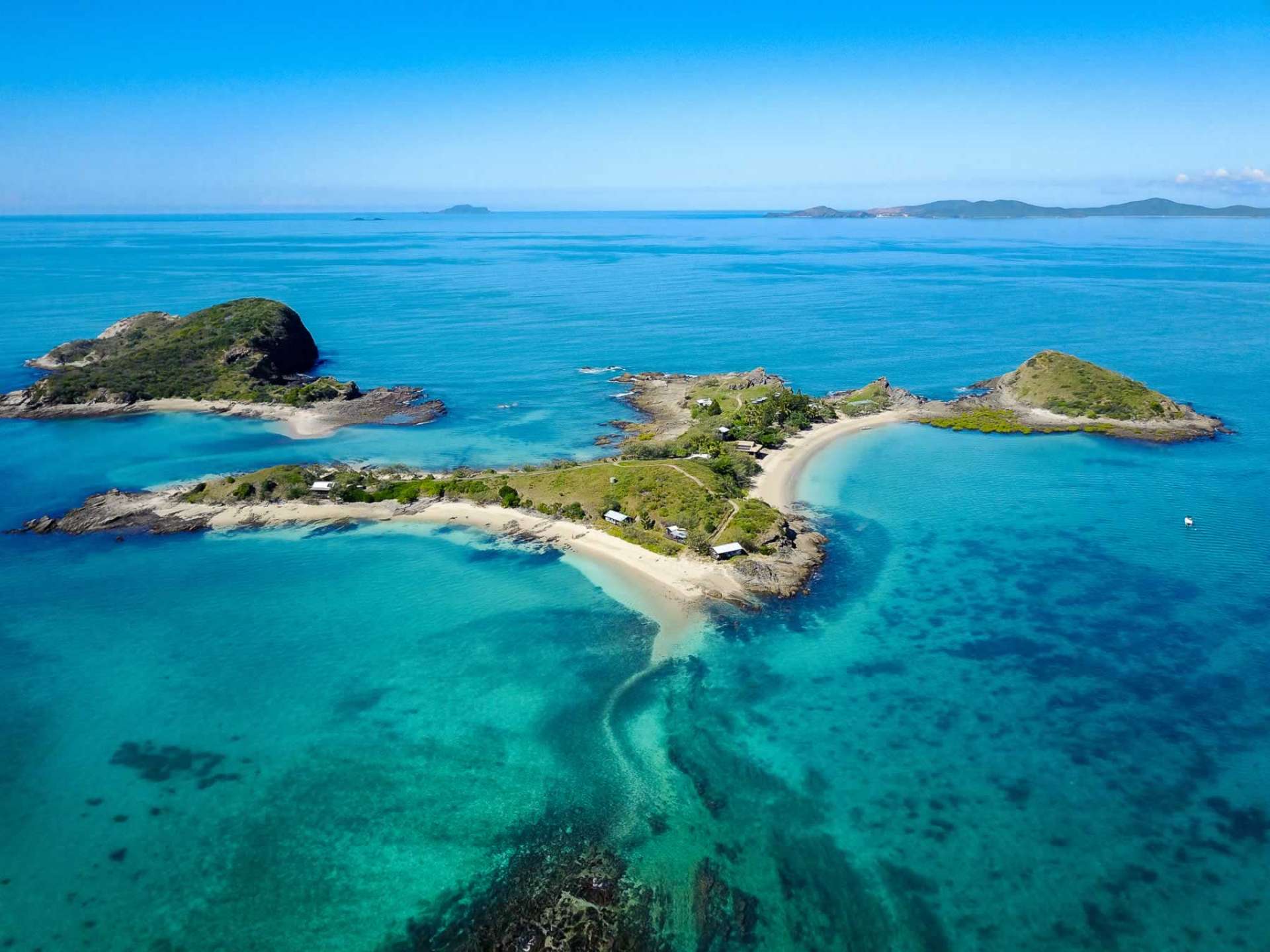
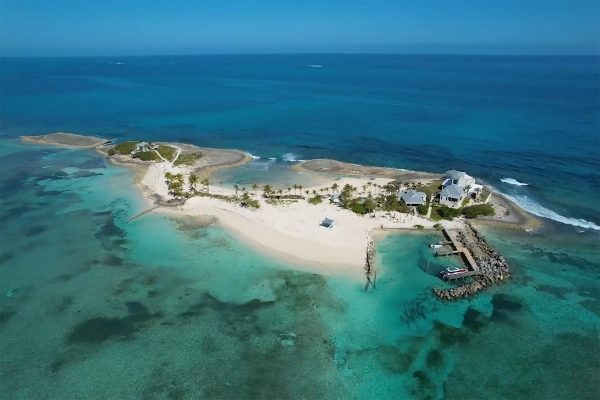
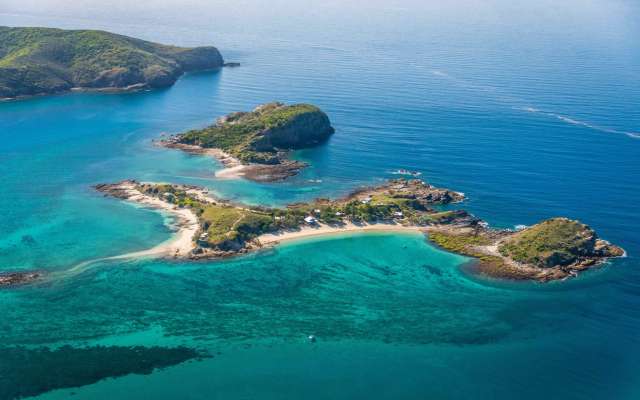
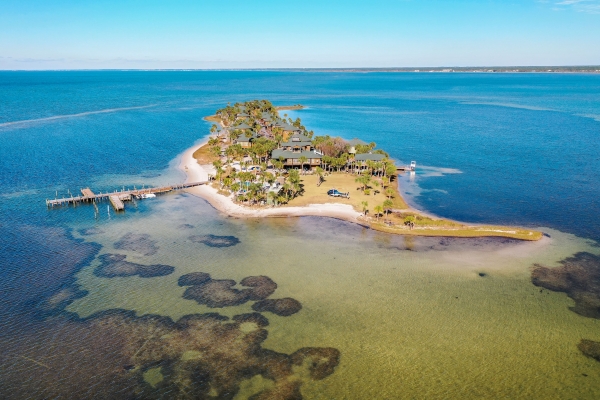
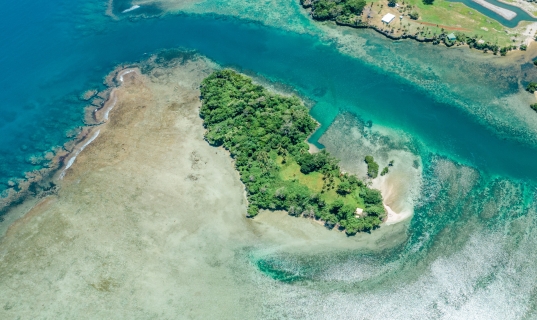
By Private Islands Magazine • Jun 22nd, 2011 • Category: Islands for SaleFringing coral reefs that shelter some 400 species of fish caress the spice islands of Zanzibar, inspiring travelers to make the 25-mile trip off the East African coast to this semi-autonomous region of Tanzania. It’s one of the world’s great underwater destinations, yet before the mid 1990s, there was no legislation in place to protect its marine life. Enter former aid worker and conservationist Sibylle Riedmiller who formed Chumbe Island Coral Park Ltd. (CHICOP) in 1992, creating a private island preserve that’s far more than the typical eco refuge. Legally recognized by the Zanzibar government and winning all of the most prestigious international awards for conservation and ecological tourism, this professionally managed nature reserve encompasses the 74-acre Chumbe Island Reef Sanctuary just offshore and the 48-acre Chumbe Forest Reserve, which covers about 90 percent of the island.
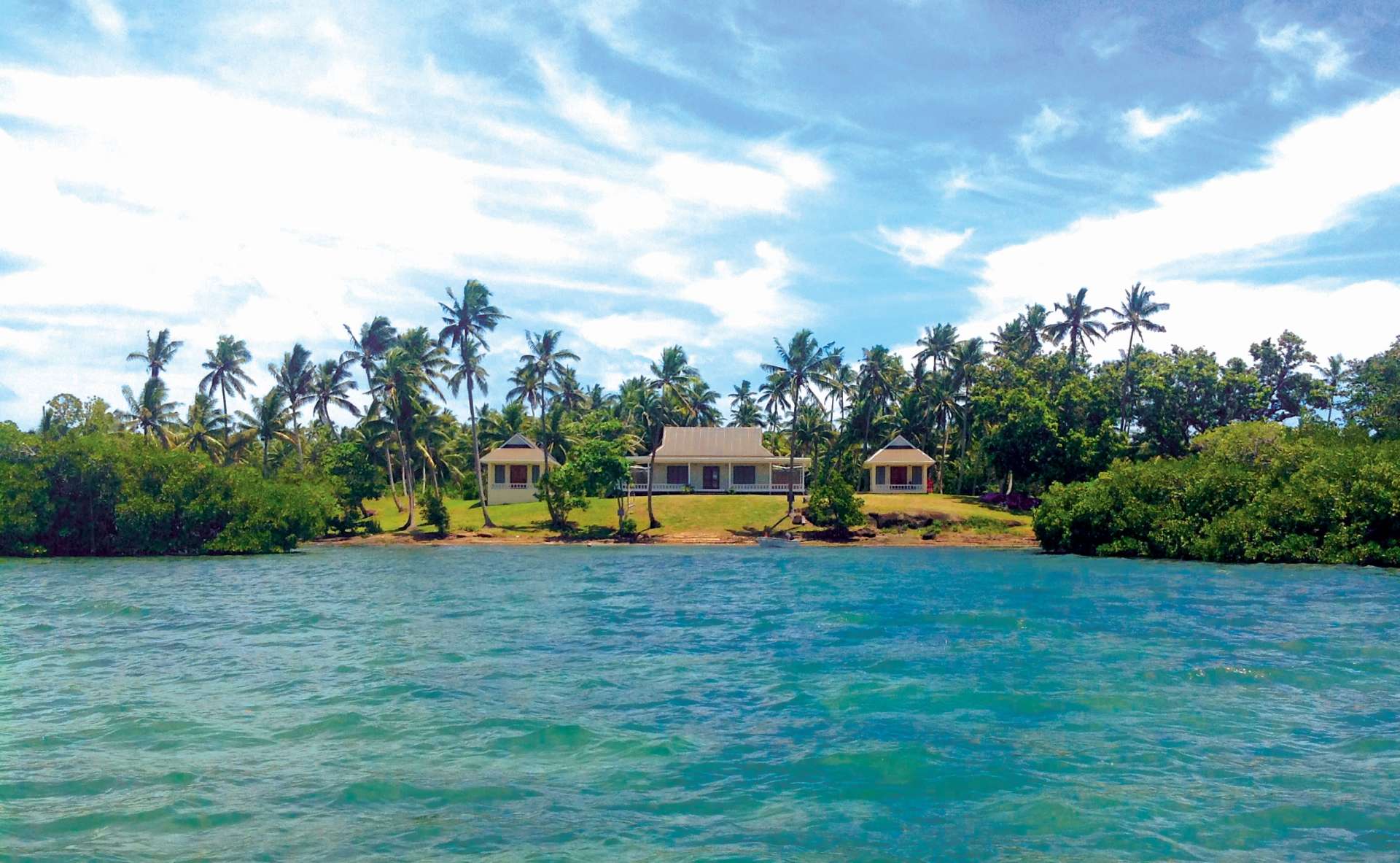
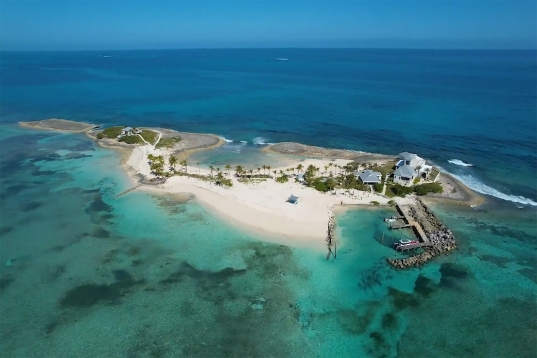
The formerly uninhabited island now contains seven seaview eco-bungalows just steps from the Indian Ocean, allowing for intimate stays in one of East Africa’s most pristine spots. Because of its sanctuary status, the island’s coral reef has remained protected from any fishing and the bombardment of boat anchors for nearly two decades, and has thus been described by a leading coral expert as “one of the most spectacular coral gardens found anywhere in the world”. Shallow, clear waters — just off the beach and not more than 10 feet deep — provide snorkelers with the kind of kaleidoscopic underwater views normally reserved for divers: parrotfish, butterfly fish, groupers, batfish and triggerfish are only the beginning. Hawksbill turtles feed on the reef, blue-spotted stingrays nestle in the sandy bottom, and lobsters peer out from under the spectacular hard coral formations, while migrating dolphins and humpback whales also make an occasional appearance along the deepwater drop-off.
Even on land, the stamp of the sea is present. Keep an eye out for the skeletal structures of giant clams in the fossilized coral that forms the island’s bedrock. On the eastern side of the island, where salty sprays from the Indian Ocean prevent vegetation at some patches, there are 15,000-year-old petrified giant clams and corals. When the tide is low, it’s possible to stroll around the entire island and visit rock pools and caves teeming with marine life, but the view from the top of the still functioning Chumbe Lighthouse is equally sublime. Built by the Sultan of Zanzibar and the British in 1904, the lighthouse’s top deck provides a sweeping look at the aquamarine seas between Tanzania’s mainland and Zanzibar. The historic ruins of the lighthouse keeper’s home are preserved within the island’s stunning thatched-roof visitor center, and a small mosque built nearly a century ago for the guardians of the light sits next door.
Nature trails wind through the southern portion of the island’s virgin coral-rag forest, a highly specialized plant community that doesn’t need groundwater to survive. Some trees claim their water from humidity in the air, while others store up reserves in rainy season to last through the drier months. Huge ancient baobab trees grow out and shade a hidden mangrove cave that is filled twice daily with tidal seawater and can be visited on a stilted wooden walkway. Beneath the forest canopy is another world where hermit crabs scurry in search of food and shells, rare coconut crabs scale palm trees under cover of the night, and 93 species of birds make a home in the thicket and along the shores, including occasional breeding visits of rare migrant Roseate terns. Chumbe Island is also the only official sanctuary for the Aders’ Duiker, a highly endangered antelope native to Zanzibar, and probably the rarest in the world.
Given this unique and pristine ecosystem, CHICOP went all out with top-notch eco-technology to build the island’s accommodations — the designs twice won finalist status for the famous Aga Khan Award for Architecture. The design ensures that guests are always comfortable while still making preservation of the coral park a priority. Each bungalow collects its own rainwater supply, which is heated with solar power; composting toilets and the filtration and recycling of shower and kitchen water by sealed plant beds avoid any contamination of the reef; while photovoltaic panels on the bungalow roofs power the lighting and charge batteries of electronic gear. Hand-made furniture, brightly printed fabrics and African art decorate the living spaces under each palm-thatched roof, and all have a futon-style bed and a swinging fishnet hammock on offer. With only 16 guests allowed per day, privacy is guaranteed.
Zanzibaris comprise the eco-lodge staff and serve as park rangers, giving local communities a first-hand look at the benefits of Chumbe’s award-winning conservation efforts. “The benefit of a marine park is that it provides fish nurseries and spawning grounds that re-stock neighboring areas,” Riedmiller says. “The ‘spill-over effect’ increases catches after three to five years so fishermen benefit directly and there are no human-wildlife conflicts. There is good potential for alliance between fishers and tourism investors.” Local schoolchildren and their teachers are also regularly invited to the island and its nature trails, and learn how to snorkel under the guidance of the park rangers, to discover the wonders of the undersea world, nearly always for the first time in their lives.
For nature lovers, there’s nothing else like Chumbe Island — and it’s astonishingly affordable to visit. Rates start at $250 a night, including meals, non-alcoholic drinks, snacks, snorkeling equipment, guided snorkeling and forest walks, and boat transport to and from the island. It’s also easy to access: a boat makes the trip to Chumbe Island from a spot just south of Stone Town, Zanzibar, daily; and Stone Town is only a 20-minute flight from Dar es Salaam. The hard part is parting once you’ve experienced this eco-paradise — but you’ll have to take it up with Riedmiler to make a more permanent commitment. Just don’t be surprised if a visit to the island triggers the desire to launch your own Tanzanian conservation effort.
Chumbe Island Coral Park Ltd.
P.O.Box 3203, Zanzibar/Tanzania
Tel & Fax +255-(0)24-2231040
Fax (UK) +44-(0)870-1341284
Project Manager:
+255-(0)777-413582
General: ask@chumbeisland.com
Bookings: book@chumbeisland.com
Web: www.chumbeisland.com
Map this location relative to other areas of interest
- Muskoka: Ontario’s Land of Lakes
- Diamond Cay, Honduras - US $650,000
- Desroches Island, Seychelles
- Wakaya: The South Pacific’s Ultimate Address
- Schloss Island, British Columbia
- The Perfect Turnkey Development in the Philippines
- Phuket Island, Thailand - US $7,960,000
- Savage Jungle: Island with 100 foot waterfall
- BC’s Perfect Wilderness Island
- Scott Island, British Columbia


[...] *via privateislandsmag, googlemaps and chumbeisland* [...]